วิทยาลัยศาสนศึกษา ร่วมสืบสานพุทธประเพณี ในพิธีเจริญพระพุทธมนต์และตักบาตร โครงการ “คันฉ่องส่องธรรม มหาชาติย้ำสนธยา”
College of Religious Studies Preserves Buddhist Traditions in the 'Kanchong Song Dhamma' Chanting and Alms-Giving Ceremony.
11 มีนาคม 2569
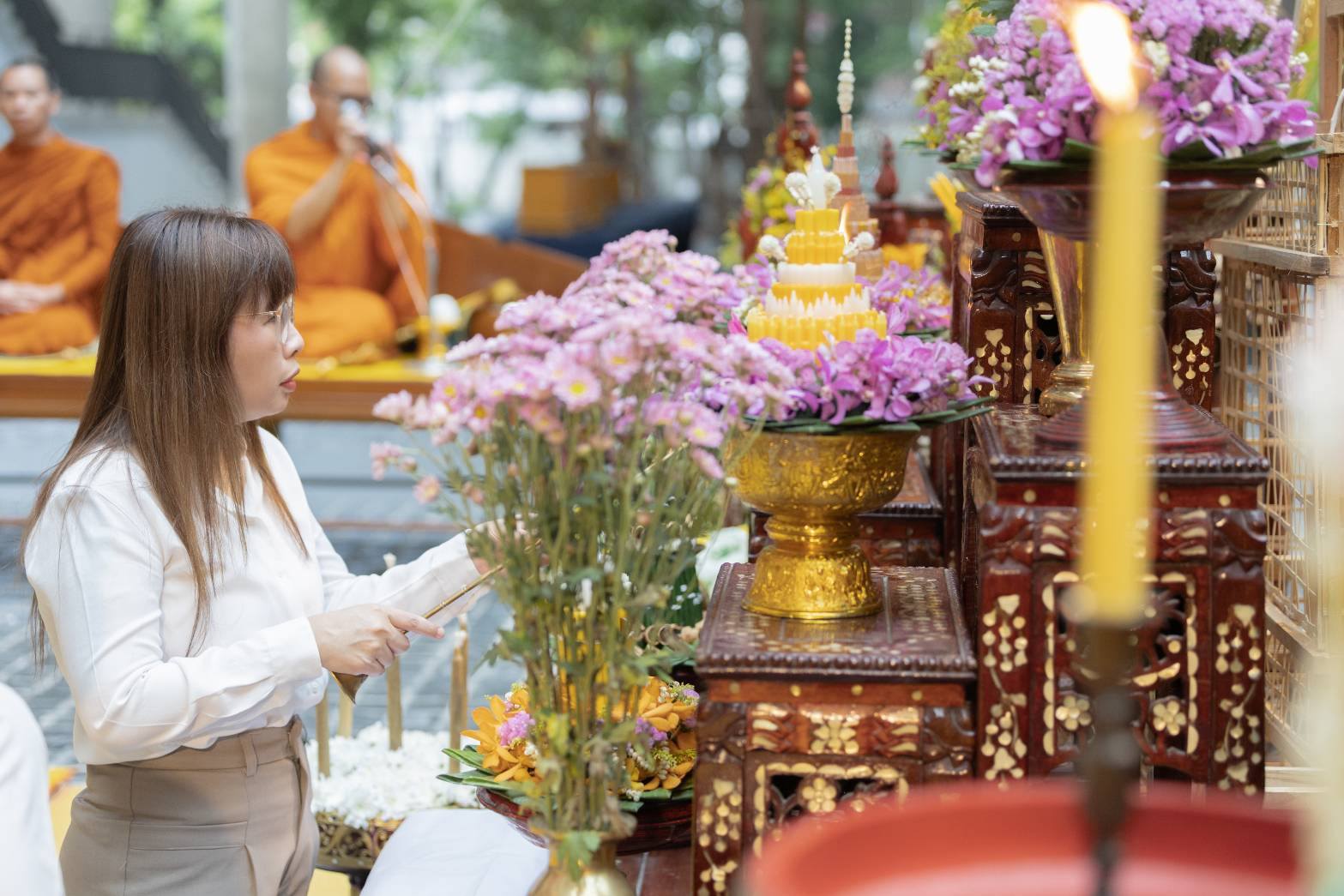
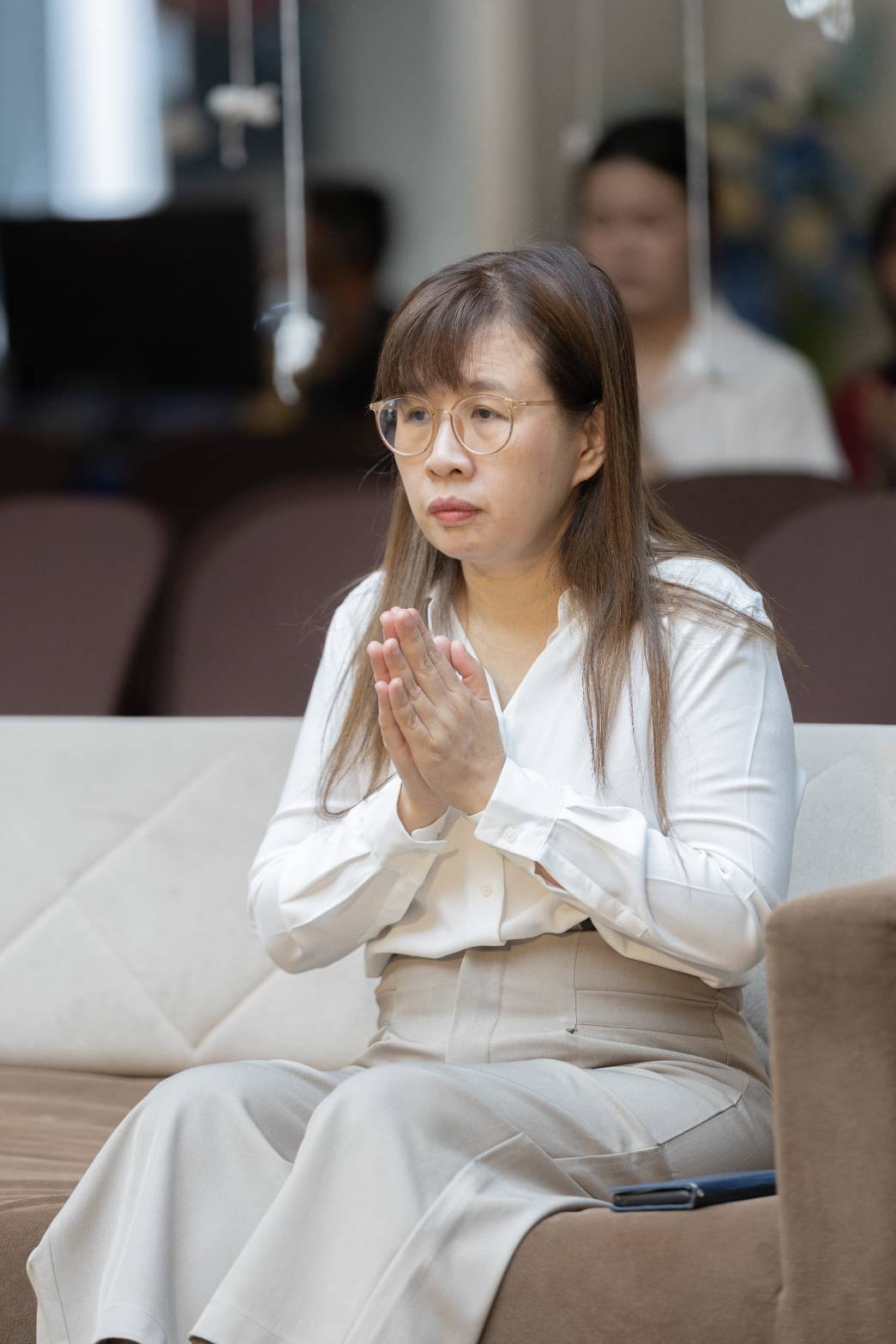
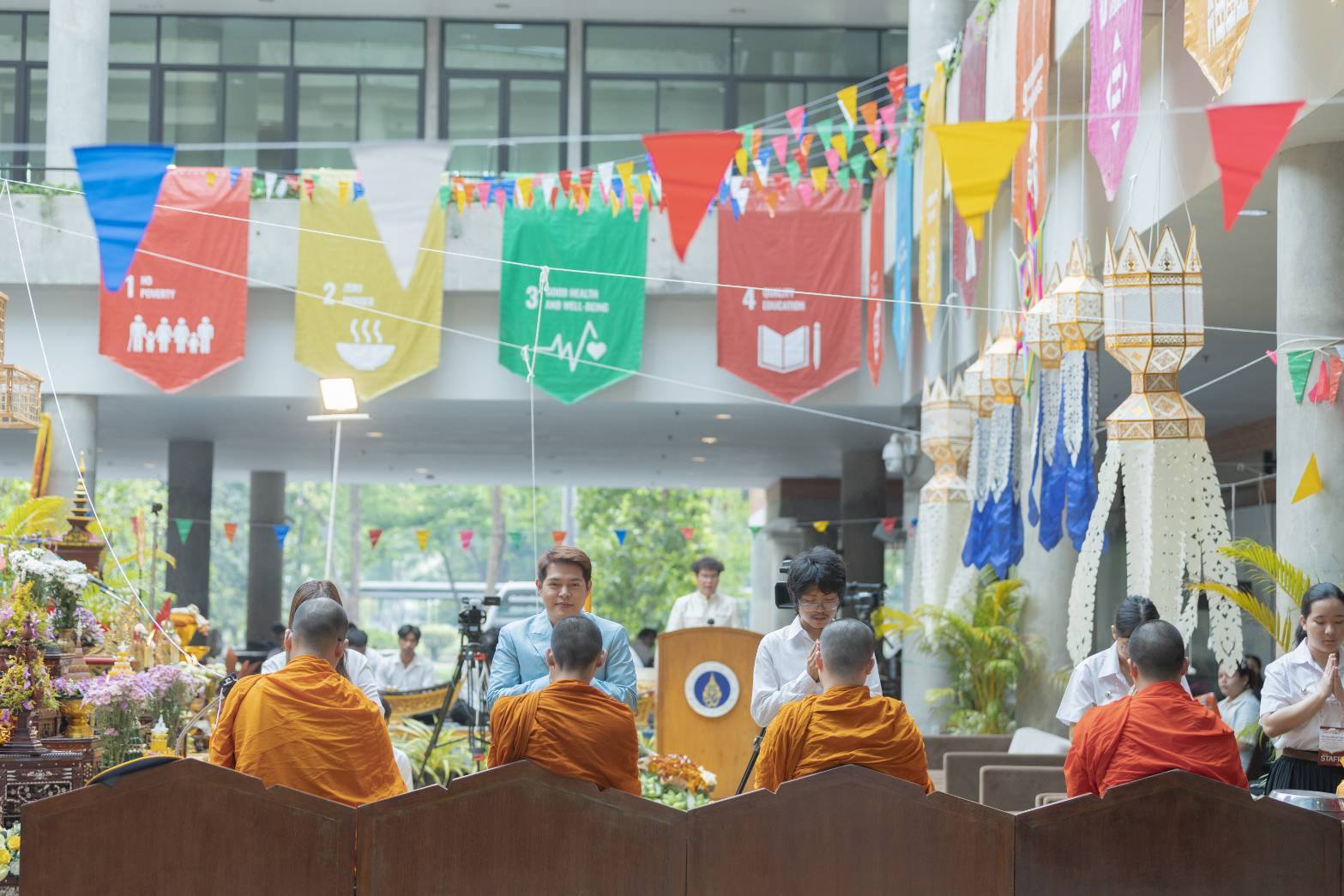
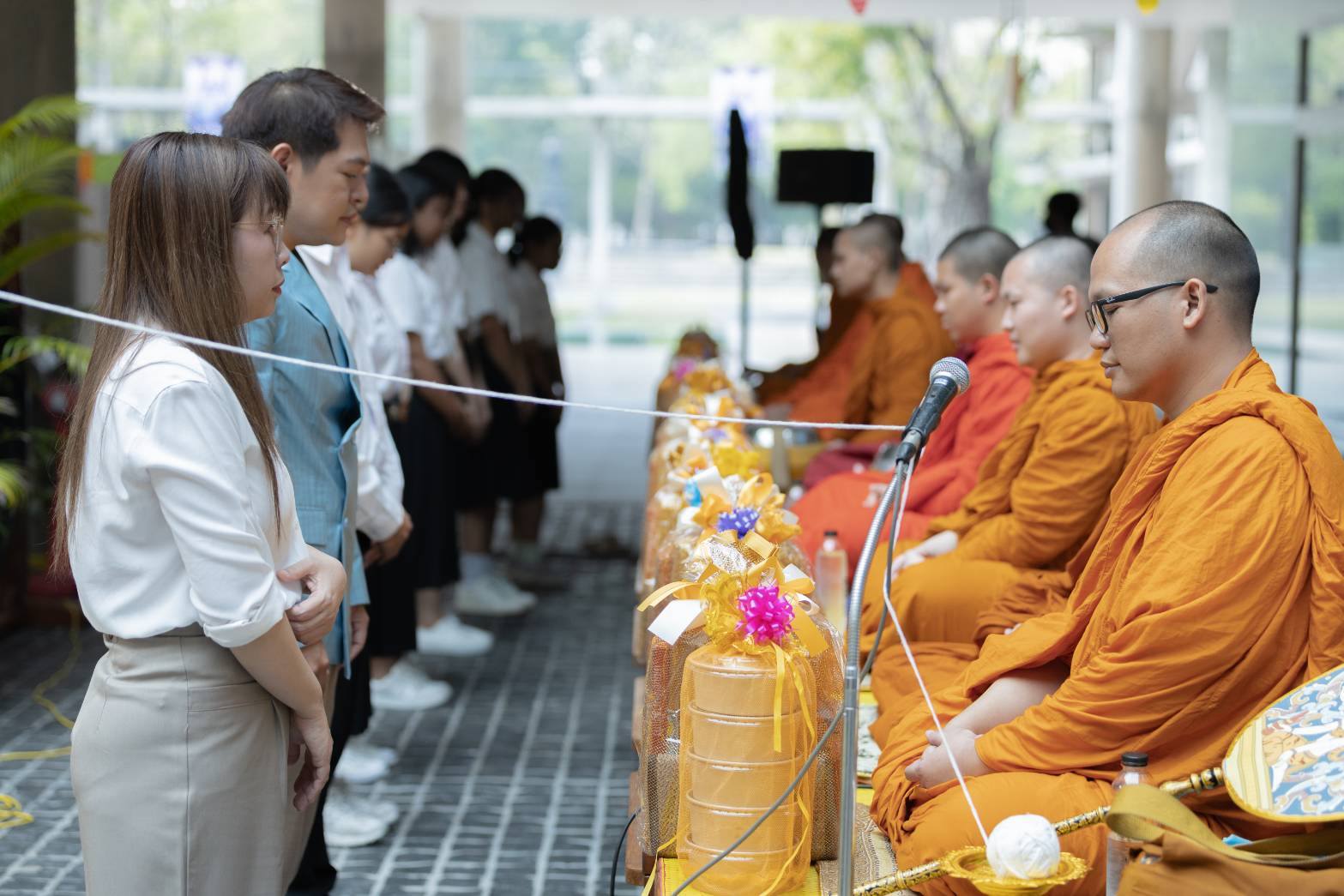
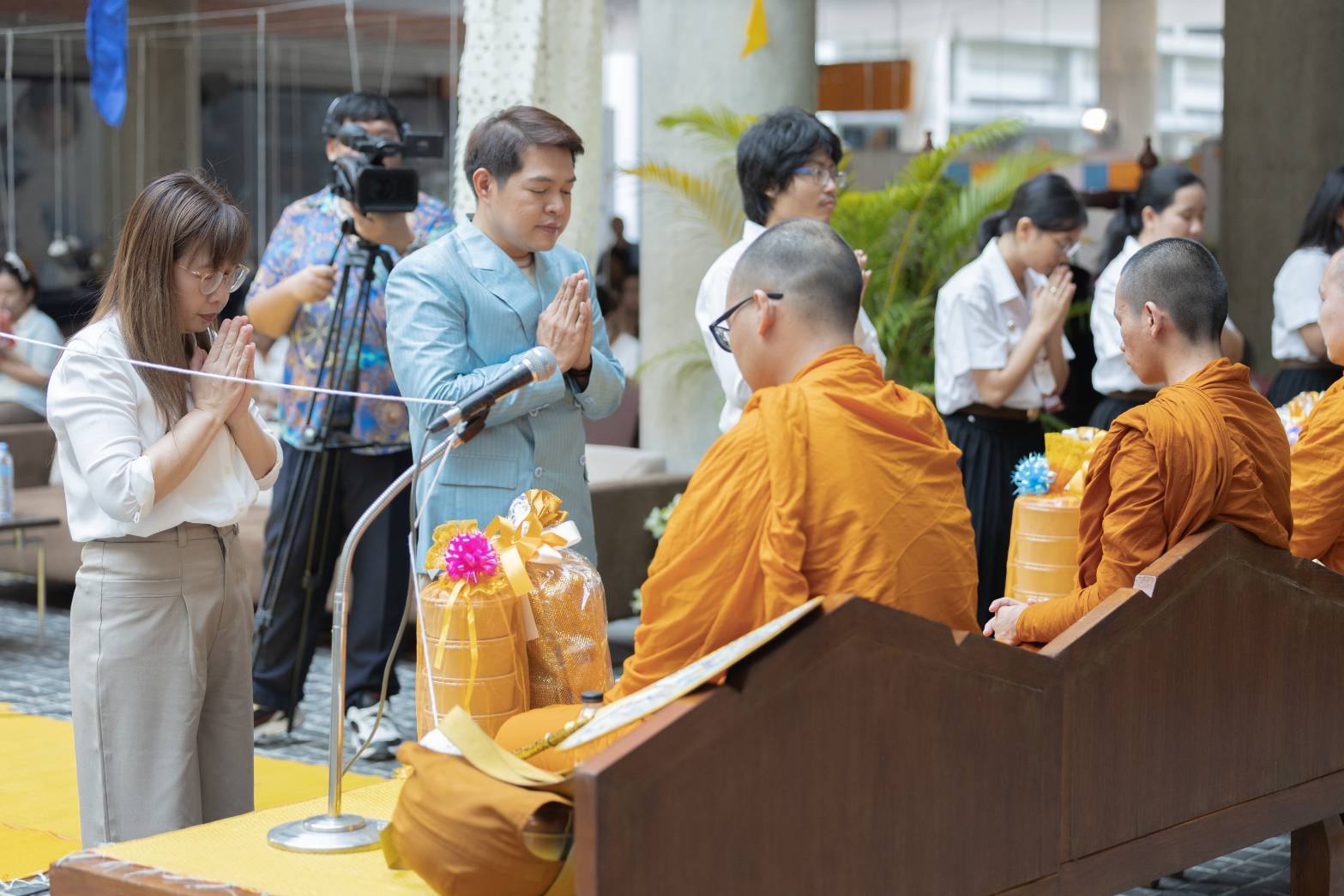
วันที่ 11 มีนาคม 2569 ผู้ช่วยศาสตราจารย์ ดร.ไพเราะ มากเจริญ คณบดีวิทยาลัยศาสนศึกษา มหาวิทยาลัยมหิดล เป็นประธานในพิธีเจริญพระพุทธมนต์และทำบุญตักบาตร ณ ลานประติมากรรมดอกกันภัยมหิดล (ศูนย์การเรียนรู้มหิดล) มหาวิทยาลัยมหิดล ศาลายา กิจกรรมนี้จัดขึ้นเพื่อถวายเป็นพระราชกุศลและร่วมสมโภชพระบรมสารีริกธาตุ ภายใต้โครงการ “คันฉ่องส่องธรรม มหาชาติย้ำสนธยา”
โครงการนี้ริเริ่มโดย ชมรมพุทธศาสตร์ มหาวิทยาลัยมหิดล โดยมีไฮไลท์สำคัญคือการเทศน์มหาชาติ 13 กัณฑ์ 1,000 พระคาถา นำเสนอผ่านรูปแบบที่ทันสมัย “4 ภาค 3 ภาษา” (ไทย อังกฤษ และจีน) ซึ่งเป็นการประยุกต์ศิลปะการเผยแผ่ธรรมะให้เข้ากับบริบทของสังคมยุคใหม่ที่มีความหลากหลายทางภาษา
วัตถุประสงค์หลักของการจัดงานคือการเสริมสร้างรากฐานทางจริยธรรมให้แก่คนรุ่นใหม่ พร้อมทั้งเปิดโอกาสให้นักศึกษาได้มีส่วนร่วมในการอนุรักษ์และส่งต่อคุณค่าทางพระพุทธศาสนา ผ่านกิจกรรมการเรียนรู้เชิงวัฒนธรรมที่สร้างสรรค์และสอดคล้องกับวิถีชีวิตปัจจุบัน
College of Religious Studies Preserves Buddhist Traditions in the "Kanchong Song Dhamma" Chanting and Alms-Giving Ceremony.
On March 11, 2026, Assistant Professor Dr. Pairor Makcharoen, Dean of the College of Religious Studies, Mahidol University, presided over the Buddhist chanting and alms-giving ceremony at the Kanphai Mahidol Sculpture Plaza (Mahidol Learning Center), Mahidol University, Salaya. The event was organized to perform royal merit-making and to celebrate the enshrinement of the Buddha's relics under the project “Kanchong Song Dhamma: Mahachat Yam Sonthaya.”
The project was initiated by the Mahidol University Buddhist Club. A key highlight was the "Mahachat" sermon, consisting of 13 cantos and 1,000 verses, presented through a modern “4 Regions, 3 Languages” format (Thai, English, and Chinese). This approach represents an adaptation of Dhamma dissemination to suit the context of a modern, linguistically diverse society.
The primary objectives of the event were to strengthen the ethical foundations of the younger generation, while providing opportunities for students to participate in preserving and passing on Buddhist values through creative cultural learning activities that align with contemporary lifestyles.